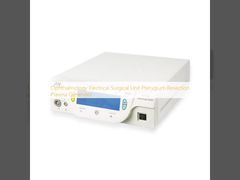
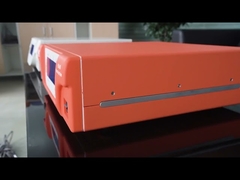
Low Temperature RF Plasma Surgery System Minimally Invasive For Turbinate Hemostasis

Probe Surgical Instrument
December 14, 2025
Category Connection: Sonde Chirurgisch Instrument
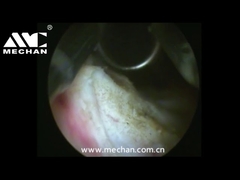
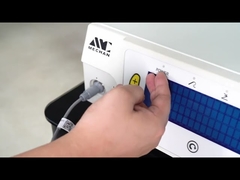
Brief: Watch the demo to catch practical tips and quick performance insights. This video showcases the Low Temperature RF Plasma Surgery System in action, demonstrating its minimally invasive approach for turbinate hemostasis. You'll see how the bipolar probe performs ablation and coagulation with precision, highlighting its controlled temperature and reduced thermal injury compared to traditional methods.
Related Product Features:
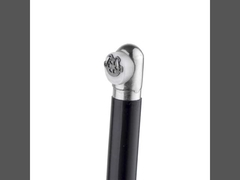
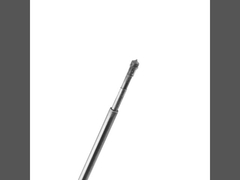
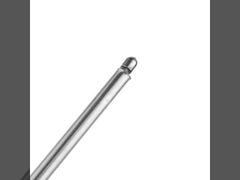
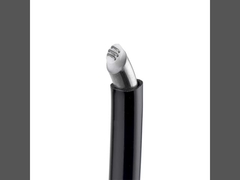
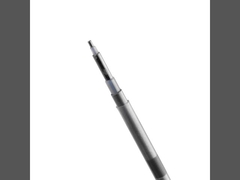
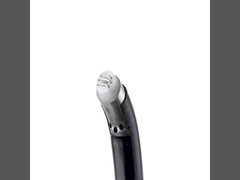
  • The PLA208 electrode is a bipolar probe designed for hemostasis and ablation procedures.
  • Operating temperature is precisely controlled between 40-70°C to minimize thermal injury to adjacent tissue.
  • Ablation and coagulation depths are controlled at ≤50μm when using recommended energy levels.
  • No electric current passes through the human body, enhancing patient safety during surgery.
  • Enables simultaneous resection and hemostasis without requiring additional tools for assistance.
  • Reduces intraoperative pain and post-operation inflammatory rates significantly.
  • Features a length of 233mm and does not include an integrated cable or saline tube.
  • Complies with international standards including CE, Rohs, and EMC certifications.
Vraagstukken:
  • What are the primary indications for the Low Temperature RF Plasma Surgery System?
    The system is indicated for hemostasis and ablation, specifically designed for minimally invasive procedures such as turbinate hemostasis.
  • How does the system minimize thermal injury compared to traditional surgical methods?
    The system operates at a low temperature range of 40-70°C, with no electric current passing through the body, resulting in controlled ablation depths of ≤50μm and significantly less thermal damage to surrounding tissues.
  • What certifications and biocompatibility standards does the PLA series meet?
    The PLA series products have obtained CE and Rohs certificates, passed EMC detection, and comply with EN ISO 10993 for biocompatibility, EN ISO 11607 for packaging, and EN 60601 for safety regulations.
  • What are the benefits for patient recovery when using this system?
    Patients experience reduced intraoperative pain, lower post-operation inflammatory rates, shorter wound healing times, and decreased chances of wound bleeding and scarring due to the minimal thermal injury.